The Exner Lectures 2025
Our lecture series in honour of this year's laureate Sepp Hochreiter


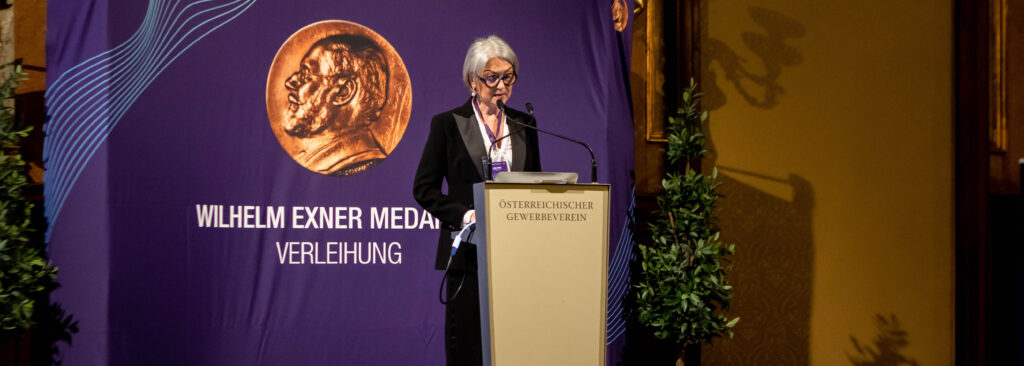
This year’s Exner Lectures pay tribute to Sepp Hochreiter, a pioneering figure in artificial intelligence, whose groundbreaking work has shaped the field. Join us for insightful discussions, visionary ideas, and cutting-edge research as leading experts explore the current state and future of AI – from its transformative potential to its ethical challenges. Whether you’re a researcher, entrepreneur, or simply curious about the next frontier of technology, this is your chance to engage with the brightest minds in the field.
Register now. Be inspired. Ask questions. Shape the conversation.

Technological revolutions often come in three distinct phases: basic research, scale-up, and industrial application—each characterized by differing degrees of methodological diversity: high in research, low during scaling, and moderate in industrial deployment. Historic breakthroughs such as the steam engine and the Haber-Bosch process exemplify this pattern and their transformative societal impact. A similar trajectory is now evident in the development of modern artificial intelligence (AI).
In the scale-up phase, large language models (LLMs) emerged as the most visible and widely deployed form of AI. While LLMs represent powerful methods for knowledge representation, they have not fundamentally redefined the core of AI itself. This phase was dominated by the transformer architecture. Recently, however, alternative architectures—such as state-space models and recurrent neural networks—have also been successfully scaled. A notable example is the Long Short-Term Memory (LSTM) network, which has been significantly enhanced to xLSTM. In many language tasks, xLSTM now surpasses transformers in performance. The xLSTM-based model TiRex has set new standards in time series forecasting, outperforming U.S. industry leaders like Amazon, Salesforce, and Google, as well as Chinese competitors such as Alibaba.
We are now entering the third phase: industrial AI, where the focus shifts to adapting and deploying AI systems in real-world, high-impact applications. Time series analysis plays a central role in this phase, enabling intelligent solutions across key domains: predictive maintenance (equipment failure detection), demand forecasting, route and logistics optimization, smart grid energy forecasting, traffic prediction, predictive diagnostics in healthcare, dynamic pricing in retail, algorithmic trading in finance, and automated quality control in manufacturing.
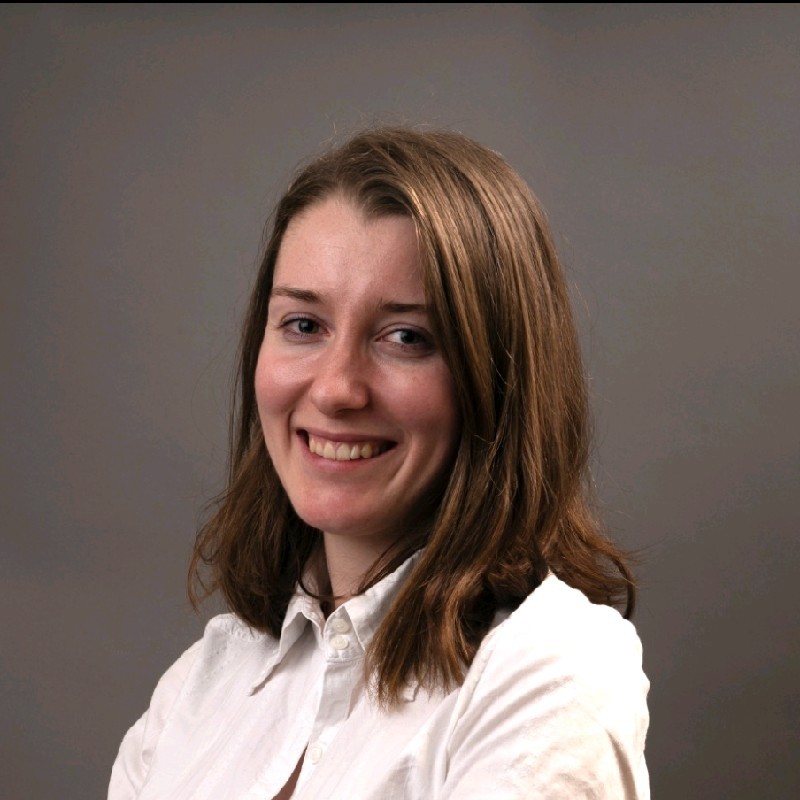
The increasing dependence of modern technology on systems vulnerable to solar activity has brought space weather forecasting into public focus. Coronal mass ejections (CMEs) can disrupt satellites, navigation, aviation communication, and even damage power grids. Despite advances in solar and heliospheric physics, accurately predicting CMEs remains a major unsolved challenge.
At the Austrian Space Weather Office, we are developing an end-to-end operational pipeline, to detect, monitor and forecast CMEs from their origin at the Sun to their impact at Earth. This system integrates semi-empirical and physics-based models with artificial intelligence to improve both accuracy and automation. AI plays a central role throughout, from advanced image processing, CME detection in remote observations close to the Sun to real-time classification of solar wind structures near Earth, where early detection is essential for triggering downstream prediction models.
This talk will outline current limitations in space weather forecasting, demonstrate how AI can be effectively integrated with physics-based models and share insights gained from transitioning from research into operations.
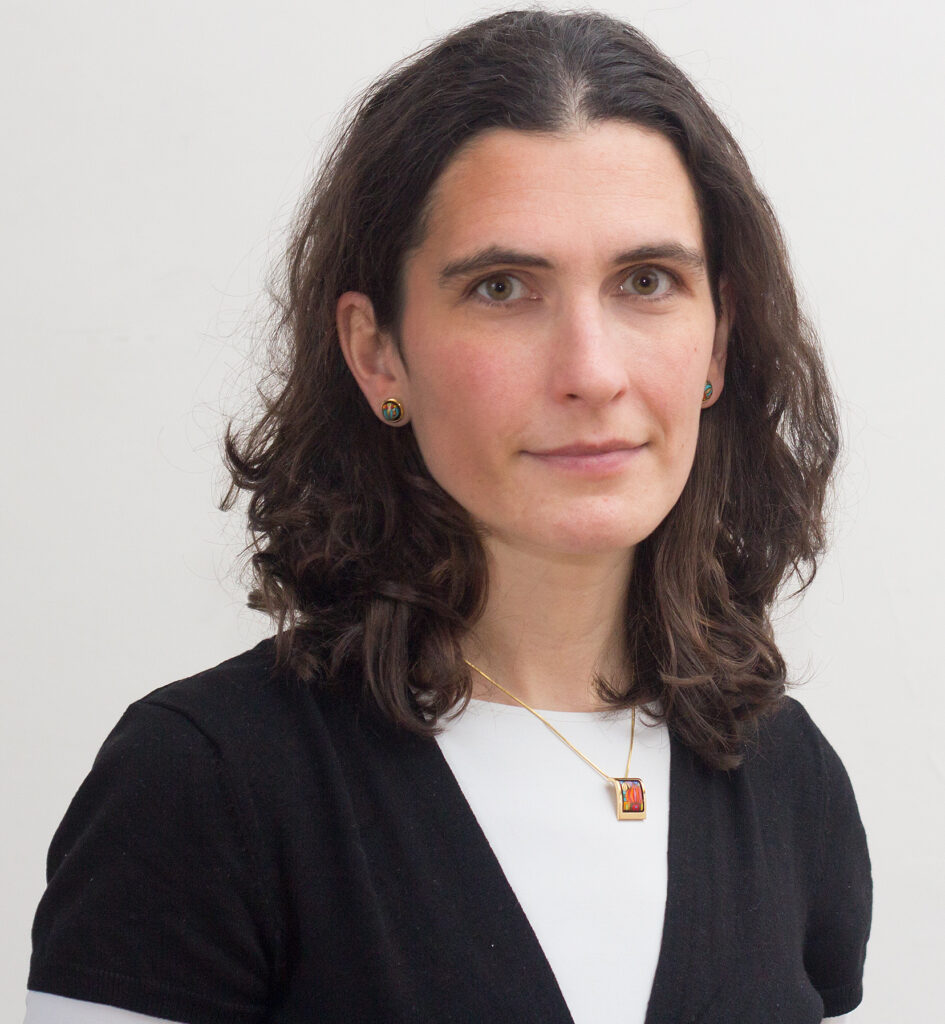
Daily activities, such as online banking, mobile communications, air traffic use or prompt engineering, are executed on computer systems. These systems are growing in size and functionality, and so are the number of software errors and security vulnerabilities. Formal automated reasoning is one of the earliest areas in AI and is currently one of the main investments made by IT companies in preventing system malfunctions. In this talk I will present recent advancement in automated reasoning, with applications to planning, code safety and cybersecurity. The work described in this talk, and its results, are ERC Starting Grant 2020, a WWTF ICT grant 2022, an ERC Proof of Concept Grant 2024, and an Amazon Research Award 2023.
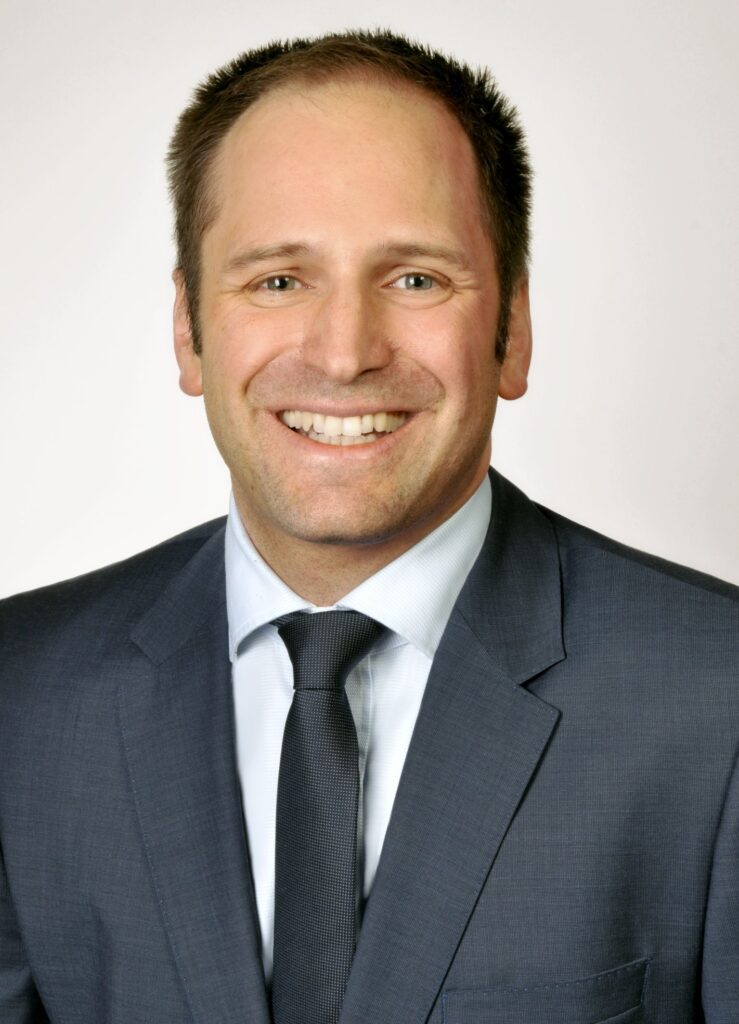
Artificial Intelligence is rapidly redefining how we understand and achieve progress.
However, scientific breakthroughs alone are not enough — they must be translated into real-world impact. This talk explores what it takes to move from insight to implementation. Drawing on Austria’s evolving AI landscape and the legacy of Prof. Sepp Hochreiter, we look at how research can drive productivity, economic growth, and sovereignty.
Turning science into impact requires more than funding and infrastructure.
It depends on a culture that values application, not just publication.
It needs the courage to take risks and push new ideas into industrial and societal domains. And it demands commitment — from policymakers, researchers, and industry alike.